
Public universities in Bangladesh – most notably the University of Dhaka – have historically played a defining role in shaping the nation’s political and social trajectory. As a graduate of Dhaka University, I am acutely aware of its unique place in the country’s collective memory and democratic struggles. From the Language Movement of 1952 to the Liberation War of 1971, and later the anti-autocracy movements of the 1980s and 1990s, student-led activism rooted in moral conviction and the public good helped steer Bangladesh through its most critical moments. Academics often supported these struggles discreetly, preserving the university as a space for intellectual resistance rather than partisan allegiance.
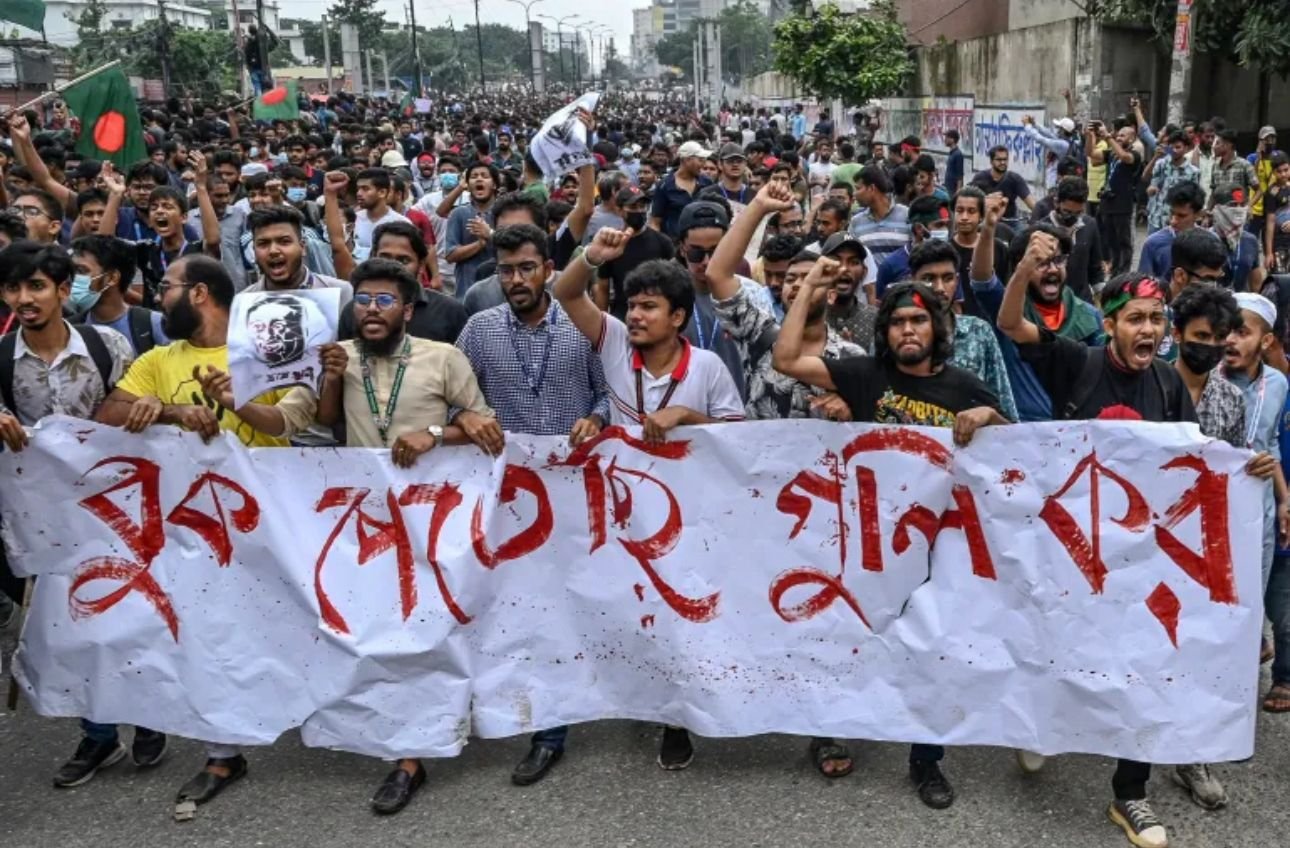
Even today, Dhaka University remains a critical site of resistance and political mobilisation, reasserting its role as a battleground of change during the student-led uprising of 2024. Yet this proud legacy stands in sharp contrast to the steady erosion of academic neutrality witnessed over the past three decades.
Student politics gradually became an extension of mainstream party politics, with campuses and residential halls turning into partisan strongholds. Ordinary students, especially those unaffiliated with ruling factions or other political parties, were frequently marginalised, intimidated, or excluded from opportunities. What once empowered students to speak truth to power increasingly silenced them.
This politicisation did not stop with students. Over the last decade, academic and administrative staff in public universities became deeply entangled in partisan networks. Many colleagues privately admitted that professional survival often depended on displaying allegiance – real or performative – to the ruling establishment. Those who remained neutral or critical risked stalled promotions, administrative sidelining, hostile work environments, or worse. As a result, universities lost the protected intellectual space necessary for genuine teaching, learning, and research.
One of the most damaging consequences was the erosion of meritocracy. Academics with limited teaching engagement and little or no research record were promoted to senior ranks or influential administrative positions due to political connections rather than academic excellence. This weakened institutional leadership, demoralised capable scholars, and discouraged early-career academics from pursuing excellence. Institutional instability deepened as qualified leaders were pushed aside during political transitions.
The ripple effects were profound and long-lasting. Politically aligned students were often favoured, disadvantaging neutral students and corroding trust in student–teacher relationships. Research funding and institutional investments were sometimes unevenly distributed, favouring departments with greater political leverage rather than academic need or performance. Over time, public confidence in universities began to erode, and international standing suffered as academic independence became increasingly questionable.
Having studied and taught across Asia, Australia, North America, and Europe, I have rarely witnessed universities so overtly shaped by partisan loyalty. Universities elsewhere function primarily as spaces for scholarship, debate, and intellectual disagreement – not political mobilisation.
A new Bangladesh offers an opportunity to reset. Public universities must be decisively de-politicised, particularly at academic and administrative levels. Healthy, issue-based student debate should be encouraged but insulated from party control. Transparent, merit-based criteria for recruitment and promotion must be restored and strictly enforced. Teaching quality, research output, leadership ability, and service to society – not political identity – should determine academic advancement.
Bangladesh can learn from global best practices. Universities should promote respectful, evidence-based dialogue while rejecting intimidation and exclusion. Safeguarding intellectual freedom and open inquiry must be central to reform.
Finally, sustained investment is essential: stronger funding for teaching and research, expanded international training and collaboration, merit-based scholarships, student exchange programmes, and opportunities for leading Bangladeshi academics abroad to contribute to rebuilding institutions at home. Rebuilding trust will take time, but reclaiming academic independence is the first and most necessary step towards restoring the glory, credibility, and global standing of Bangladesh’s public universities.
Key Takeaways
• Depoliticise universities and protect academic neutrality.
• Restore merit-based recruitment and promotion.
• End intimidation and partisan control on campuses.
• Strengthen research, teaching, and international collaboration.
• Rebuild trust and global credibility of public universities.