
Bangladesh Election Credibility at Risk Without Inclusion, Says British MP Bob Blackman
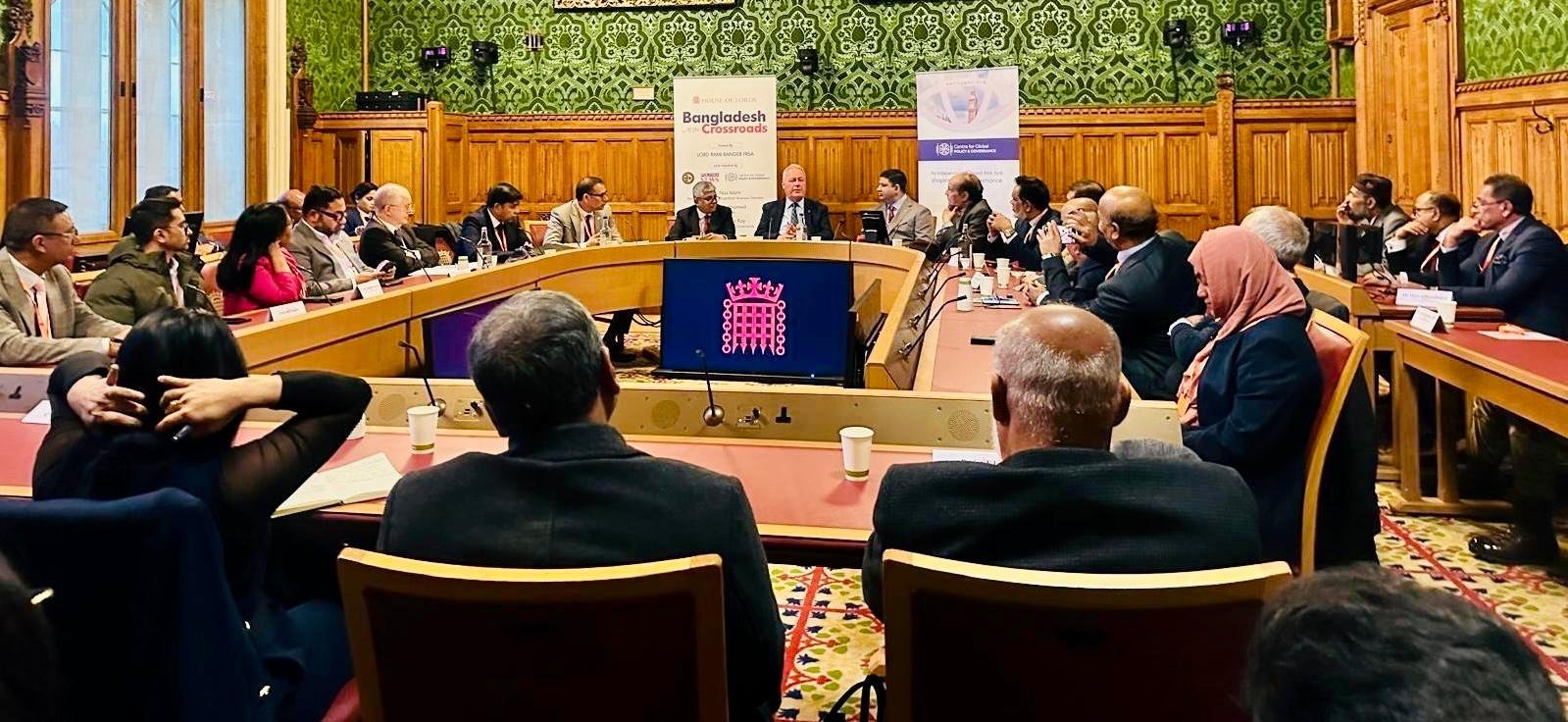
Robert John Blackman CBE MP, a senior British parliamentarian and Member of Parliament for Harrow East since 2010, attended and addressed the high-level seminar...
An FCDO spokesperson said:“We welcome the parliamentary elections in Bangladesh which took place on 12 February 2026. The peaceful electoral process delivered conclusive results. This represents an important step forward in Bangladesh’s ambitions and the aspirations of the people of Bangladesh. “We look forward to the new government advancing democratic, economic, and social reforms. We will work closely with Bangladesh on our shared priorities of economic growth, migration, climate and security, building on the strong connections between our people.”
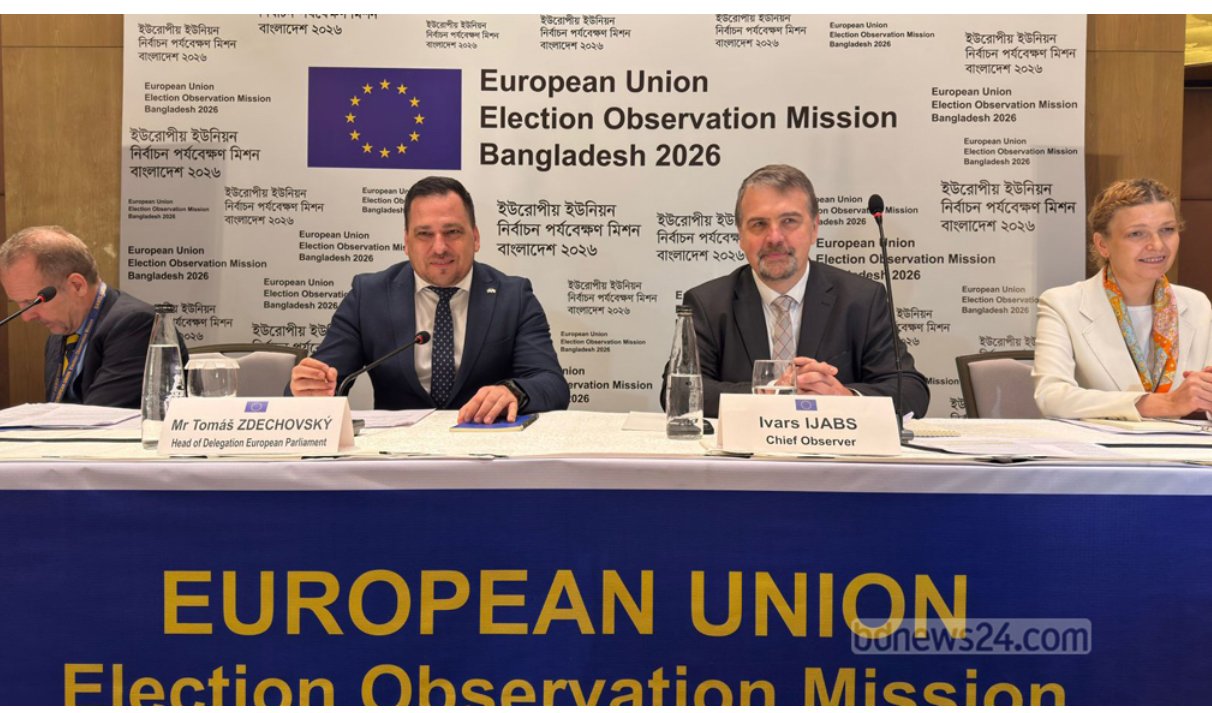
“Participatory means the inclusion of all political and social groups that wish to express their interests.”The European Union (EU) Election Observation Mission believes that an election cannot be defined as “participatory” based solely on voter turnout. According to the mission, the key element of a participatory election is the involvement of all representative groups within society. This position was outlined on Saturday at a hotel in Dhaka by the Head of Mission, Ivars Ijabs. Results for 297 seats were announced following Thursday’s election, with a voter turnout of 59.44 percent. Journalists asked the EU observation team how “participatory” the election could be considered, given that the Awami League was excluded from the process. Responding to the question, Ivars Ijabs said: “Regarding the question about excluding a specific political party from the political process, I can put it this way: we are here to observe the elections. Our interest lies in the electoral process. “Beyond that, ‘transitional justice’ is an extremely painful and sensitive issue for many countries, including several European nations. However, elections are, of course, a way forward. “What we have observed in this election is that it was ‘highly competitive,’ and with 2,000 candidates, voters had a broad choice among contestants. In that sense, I believe this election represents ‘a path of progress’ for Bangladeshi democracy.” Another journalist raised the issue of voter turnout, asking whether the percentage reflected participation from people of all views and backgrounds. In response, Ijabs said: “We all know that voter turnout in Bangladesh has historically fluctuated — sometimes higher, sometimes lower. In that sense, we see this particular result as somewhere in the middle range. We are not looking at participation purely in percentage terms. “As you know, voter turnout is declining in many democratic countries, including in Europe. This is a major concern for all democracies. So numbers alone do not tell the whole story. “The answer to your question lies in whether all relevant groups in society are taking part in the election and whether anyone is being excluded. As I said, participatory means including all political and social groups that wish to express their interests through the election. Therefore, when speaking about a participatory election, voter turnout alone is not the sole determining factor.” In this election, the Awami League did not participate due to restrictions on political activities, and its party symbol was also excluded from the ballot paper.
News
UK Foreign, Commonwealth & Development Office Statement on Parliamentary Elections in Bangladesh
An FCDO spokesperson said:“We welcome the parliamentary elections in Bangladesh which took place on 12 February 2026. The peaceful electoral process delivered conclusive results. This represents an important step forward in Bangladesh’s ambitions and the aspirations of the people of Bangladesh. “We look forward to the new government advancing democratic, economic, and social reforms. We will work closely with Bangladesh on our shared priorities of economic growth, migration, climate and security, building on the strong connections between our people.”
EU Observer Mission: Voter Turnout Alone Does Not Define a ‘Participatory’ Election
“Participatory means the inclusion of all political and social groups that wish to express their interests.”The European Union (EU) Election Observation Mission believes that an election cannot be defined as “participatory” based solely on voter turnout. According to the mission, the key element of a participatory election is the involvement of all representative groups within society. This position was outlined on Saturday at a hotel in Dhaka by the Head of Mission, Ivars Ijabs. Results for 297 seats were announced following Thursday’s election, with a voter turnout of 59.44 percent. Journalists asked the EU observation team how “participatory” the election could be considered, given that the Awami League was excluded from the process. Responding to the question, Ivars Ijabs said: “Regarding the question about excluding a specific political party from the political process, I can put it this way: we are here to observe the elections. Our interest lies in the electoral process. “Beyond that, ‘transitional justice’ is an extremely painful and sensitive issue for many countries, including several European nations. However, elections are, of course, a way forward. “What we have observed in this election is that it was ‘highly competitive,’ and with 2,000 candidates, voters had a broad choice among contestants. In that sense, I believe this election represents ‘a path of progress’ for Bangladeshi democracy.” Another journalist raised the issue of voter turnout, asking whether the percentage reflected participation from people of all views and backgrounds. In response, Ijabs said: “We all know that voter turnout in Bangladesh has historically fluctuated — sometimes higher, sometimes lower. In that sense, we see this particular result as somewhere in the middle range. We are not looking at participation purely in percentage terms. “As you know, voter turnout is declining in many democratic countries, including in Europe. This is a major concern for all democracies. So numbers alone do not tell the whole story. “The answer to your question lies in whether all relevant groups in society are taking part in the election and whether anyone is being excluded. As I said, participatory means including all political and social groups that wish to express their interests through the election. Therefore, when speaking about a participatory election, voter turnout alone is not the sole determining factor.” In this election, the Awami League did not participate due to restrictions on political activities, and its party symbol was also excluded from the ballot paper.

Bring Reconciliation of Awami League Through Rule of Law, Says Tarique Rahman
A London-based British investigative journalist and human rights activist — who has reported extensively for outlets including Al Jazeera, The Daily Telegraph, and Channel 4 News, focusing on Bangladesh, including war crimes and politics — has issued the following commentary after Tarique Rahman’s press conference today.At today's press conference Tarique Rahman, Bangladesh's new prime minister-in-waiting, was asked this question by a journalist:"Many people in Bangladesh remain supporters of the Awami League. What kind or types of reconciliation [should there be for them] in Bangladesh."He answered:"By ensuring rule of law".It was a short response, but potentially a significant one - as if the new BNP government follows through with that mindset, many of the problems in the last 18 months that have beset those Awami League activists or supporters - who were not complicit in July/August 2024 violence but have nonetheless been named or/and arrested in criminal cases - can be resolved.How could this be achieved?One possible mechanism would be the establishment of a national review committee composed of senior, independent, and widely respected lawyers, none of whom are affiliated with any political party. This body would be tasked with scrutinising each case and reviewing any evidence already collected by the police against every individual named. Where the evidence is absent or clearly insufficient, the committee could recommend removal from the FIR and appropriate legal relief.If subsequent investigations were to produce credible new evidence against any individual previously removed, that material could be referred back to the same committee for review and determination as to whether re-inclusion is justified.Implementing such a process would likely require legislative amendment. However, some structured mechanism of this kind appears necessary if arbitrary detention and harassment is to stop, and some kind of reconciliation is to be started.If the new government is serious about grounding reconciliation in the rule of law, then action — and swift action — is essential.
Expert Comments
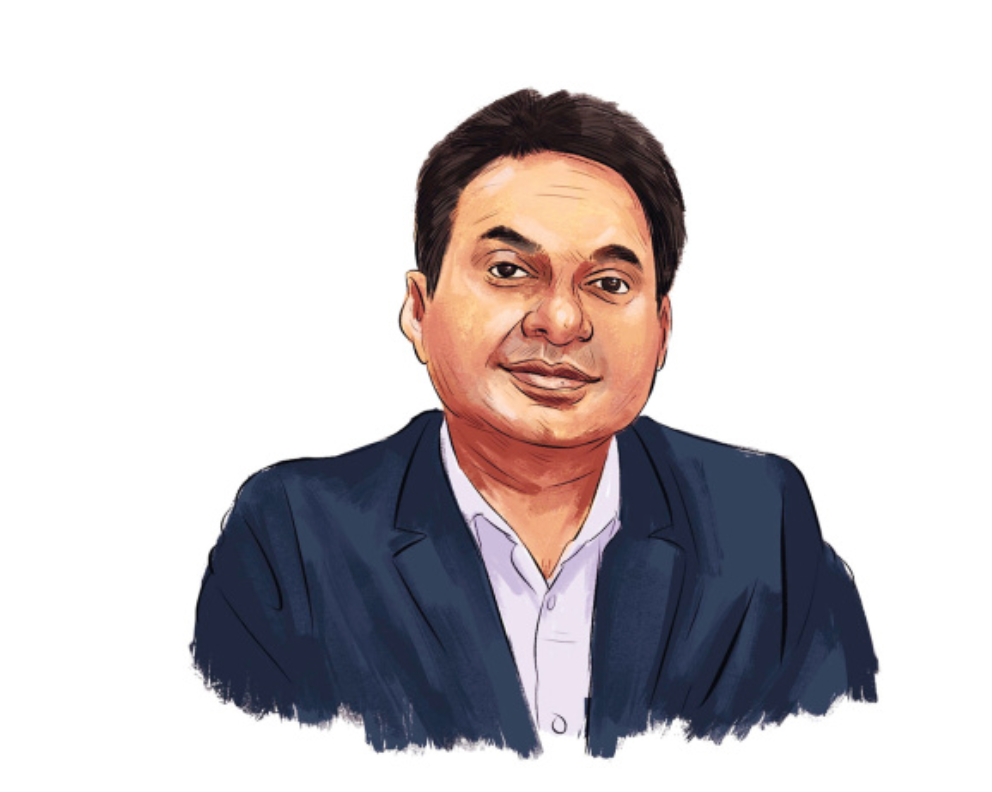
Prof Selim Raihan warns the deal raises serious questions about Bangladesh’s economic sovereignty and geopolitical balance
A trade agreement signed between Bangladesh and the United States on February 9 — just days before a national election — has triggered sharp criticism from economists and policy observers.
The Agreement on Reciprocal Trade, concluded by the interim government in the final days of its tenure, offers only a marginal reduction in US tariffs. Yet it binds Bangladesh to a sweeping framework covering defence, energy, trade, labour standards and digital governance.
“The agreement could reshape Bangladesh’s economic autonomy, geopolitical balance and long-term development path,” said Professor Selim Raihan, Executive Director of the South Asian Network on Economic Modeling (SANEM), in an extended interview.
Raihan described the deal as “highly unequal”, “rushed” and “potentially damaging” to Bangladesh’s strategic independence.
A Question of Timing
Raihan’s first concern centres on timing. The agreement was finalised by an interim administration just days before the election — a move he believes sets a troubling precedent.
“I do not understand why our interim government rushed to sign this agreement just before the election,” he said. “This should have been left to the newly elected government. Waiting one or two months would not have created major problems.”
He contrasted Bangladesh’s approach with India’s slower and more cautious negotiations with Washington.
“I was informed that India and the United States have not yet signed their trade agreement. If a country like India has not finalised such a deal, why were we in such a hurry?” he asked.
Raihan argued that an agreement of this magnitude required parliamentary scrutiny and broad consultation with exporters, business leaders and trade experts.
“Stakeholders were not properly consulted,” he said. “The process is deeply concerning.”
Imbalance in Obligations
One of Raihan’s strongest criticisms concerns the imbalance of commitments.
“In the 32-page document, the phrase ‘Bangladesh shall’ appears 158 times, while ‘the United States shall’ appears only nine times,” he noted. “This shows that most obligations fall on Bangladesh.”
Under the agreement, Bangladesh will open its market to approximately 6,700 US products — including chemicals, medical devices, machinery, ICT equipment, motor vehicles, beef and poultry. In contrast, the US grants duty-free or preferential access to around 2,500 Bangladeshi items.
In return, Washington reduces its reciprocal tariff on Bangladeshi exports from 20 percent to 19 percent.
“For a trade agreement between the most powerful economy in the world and one of the weakest economies among least developed countries, this is highly unequal,” Raihan said.
“The weaker country is offering more, while the superpower is offering less. Bangladesh is effectively granting special and differential treatment to the United States.”
Strategic and Sovereignty Concerns
Beyond trade, Raihan raised concerns about provisions that may constrain Bangladesh’s policy autonomy.
The agreement requires Bangladesh to endeavour to increase purchases of US military equipment and restrict procurement from certain countries — language widely interpreted as targeting China. It also allows Washington to terminate the deal if Bangladesh signs trade agreements with countries classified as non-market economies.
“In areas such as defence procurement and trade relations with other countries, Bangladesh may effectively require US endorsement,” Raihan said. “This raises concerns about sovereign decision-making.”
The deal also emphasises “economic and national security alignment,” which Raihan described as potentially intrusive.
“This is not just about trade. It is geopolitics,” he said. “Bangladesh is vulnerable in global geopolitical competition, and we must be careful.”
Risk to Non-Aligned Status
Raihan warned that the agreement could gradually shift Bangladesh away from its long-standing non-aligned foreign policy stance.
One provision requires Bangladesh to adopt complementary restrictive measures if the US imposes border or trade actions on national security grounds. Critics argue this could effectively bind Dhaka to US sanctions regimes.
“If the United States bans products from certain countries, Bangladesh may be expected to support that,” Raihan said. “This could alter our non-aligned position.”
Managing relations with China — Bangladesh’s largest import partner — would become particularly complex.
“China is our largest import source, yet the US has ongoing trade conflicts with China,” he said. “If Bangladesh is pressured to reduce imports from China, it will be extremely difficult. We need balanced relations with everyone — China, India, the US and others.”
‘Zero Tariff’ Confusion
Raihan also criticised what he called misleading communication about tariff benefits.
“When officials spoke of ‘zero tariff’ for products using US cotton, it actually refers to zero reciprocal tariff — not total tariff removal,” he explained. “The original Most-Favoured-Nation (MFN) tariff remains.”
Many exporters reportedly misunderstood the provision as full tariff elimination.
Managed Trade and Financial Pressure
Another major concern is the shift toward what Raihan describes as “managed trade”.
Bangladesh has committed to purchasing approximately $15 billion worth of US liquefied natural gas over 15 years, alongside increased imports of aircraft and agricultural goods.
This includes plans for Biman Bangladesh Airlines to purchase 14 Boeing aircraft and at least $3.5 billion in US agricultural products such as wheat, soybeans and cotton.
“The idea is to reduce the bilateral trade deficit,” Raihan said. “But this means importing more from the United States regardless of competitive pricing.”
He warned that Bangladesh could be compelled to buy higher-cost goods even when cheaper alternatives exist.
“This will put additional pressure on foreign exchange reserves,” he said. “How will we finance aircraft purchases and energy imports? There is a risk of increased reliance on foreign loans.”
Labour and Regulatory Changes
The agreement also requires amendments to labour laws, including expanded union rights and bringing export processing zones under national labour standards within two years.
“Labour is a very sensitive issue in Bangladesh,” Raihan said. “If these provisions create uncertainty among investors, particularly in the garment sector, it could create serious problems.”
He further expressed concern about clauses requiring Bangladesh to recognise US Food and Drug Administration (FDA) approvals for pharmaceuticals and medical devices — potentially weakening domestic regulatory authority.
Limited Positives
Despite his criticisms, Raihan acknowledged some potential benefits.
“There is a positive area in addressing non-tariff barriers,” he said. “But reforms should apply universally, not just for one country.”
Reducing bureaucratic inefficiencies could benefit both domestic and foreign businesses, he added.
A Dilemma for the Next Government
Raihan believes the agreement will present a significant challenge for the incoming administration.
“The next government will already face domestic political and economic pressures,” he said. “They may seek a review rather than outright cancellation.”
Cancelling the deal could harm Bangladesh’s credibility.
“Signing and then cancelling sends a negative signal to trading partners,” he noted.
Yet moving forward would lock Bangladesh into long-term financial and strategic commitments.
“The pressure will remain — financial, strategic and geopolitical,” Raihan said.
“We need everyone — China, India, the United States and others. Maintaining that balance is crucial for Bangladesh’s future.”
Selim Raihan
12 February 2026, 00:00 AM
The Daily Start
.jpeg)
Three features distinguish the upcoming national election in ways rarely seen before: the resurgence of Jamaat-e-Islami, the rise of Tarique Rahman as a central figure in contemporary politics, and—unthinkable until August 2024—the sidelining of the Awami League from the electoral contest.
Since its role during the Liberation War—when it opposed the birth of Bangladesh, aided the Pakistan Army in committing genocide, and collaborated with al-Badr and al-Shams in the killing of intellectuals—Jamaat-e-Islami has remained one of the most controversial actors in our political history. Its refusal to apologise explicitly for its role in 1971 or seek forgiveness from the people of Bangladesh has long rendered its political acceptability deeply questionable.
Its current position, articulated by party chief Dr Shafiqur Rahman—that “if we have committed any mistake since 1947 till date, we apologise for it”—is telling. By avoiding any direct reference to 1971, Jamaat continues to evade accountability for opposing the independence struggle and acting against the aspirations of freedom-loving people. This refusal remains among the most tragic aspects of our political journey.
Yet despite this legacy, Jamaat is today a formidable presence in the upcoming election. Opinion polls suggest it may emerge as the second-largest party in the next parliament. How did a party burdened with such a past manage this resurgence?
The most significant factor is Jamaat’s strategic mobilisation of the growing consciousness of Muslim identity among the majority of Bangladeshis, positioning itself as its most authentic representative. This was made possible by the failure of the two centrist parties—the Awami League in particular, and the Bangladesh Nationalist Party to a lesser extent—to firmly entrench a durable tradition of nationalistic and secular politics in the public imagination.
Both parties governed the country since 1991, yet their performance increasingly alienated voters. The Awami League’s corrupt, exploitative, and oppressive rule over more than fifteen years—ending in August 2024—proved especially damaging. Ironically, a party whose legitimacy was rooted in its role in 1971 squandered that moral capital, opening space for Jamaat’s political rehabilitation.
Jamaat’s ideological consistency, organisational discipline, and the dedication of its grassroots activists have further strengthened its position. Its long-term infiltration of Chhatra League structures, sometimes even assuming second-tier leadership roles, demonstrates strategic patience and organisational skill. Shibir’s recent victories in student union elections at five public universities further underline this success. Reports also suggest that Jamaat’s female grassroots workers have been particularly effective in door-to-door campaigning.
In this context, Jamaat’s electoral ally, the National Citizen Party (NCP), also warrants attention. Born out of the July uprising, NCP entered electoral politics amid high expectations. Its decision to align with the Jamaat-led bloc may prove consequential—both in the immediate election and for its long-term political identity.
The second defining feature of this election is the rise of Tarique Rahman. Though long regarded as the heir apparent, the scale and speed of his ascent have been striking. Operating from London for years while his mother remained incarcerated, he managed to keep the BNP not only alive but disciplined and cohesive—no small feat under relentless repression.
Tarique Rahman’s direct communication with grassroots leaders through mobile and internet platforms fostered loyalty and pride among younger BNP activists. Repeated attempts by the Awami League to fracture the party or co-opt senior leaders were thwarted by his persuasive engagement. Fifteen years is a long time in Bangladeshi politics, and the BNP’s survival through that period is a testament to his organisational capacity.
Many felt he delayed his return to Bangladesh after the fall of the Awami League government. Yet when he did return, the impact was immediate. His presence electrified party workers, energised supporters, and restored confidence. Massive public turnouts and warm receptions at his appearances have made him a central force in the electoral landscape.
Thus far, he has conducted himself with restraint and maturity. His speeches have been measured, forward-looking, and policy-oriented—standing in contrast to the rhetoric-heavy approach of many others. Whether he has translated this momentum into effective nationwide campaign organisation will become clear only after the polls. But he has convincingly stepped into the political space once occupied by his late mother, whose janaza remains a powerful reminder of the affection and respect she commanded.
The third and perhaps most consequential feature of this election is the effective exclusion of the Awami League. The party has not been formally banned, but its political activities have been. How could a party so integral to the birth and history of Bangladesh become so vulnerable as to be sidelined from a national election?
The reasons are many—extrajudicial killings, enforced disappearances—but the decisive factor lies in the brutal street violence during the final weeks of its rule. One incident encapsulates this collapse of legitimacy: the killing of Abu Sayed, an unarmed university student standing alone, posing no threat, shot dead by police. That single act symbolised the moral and political implosion of the regime.
The government’s subsequent conduct—tampering with autopsy reports, attempting justification instead of accountability, and continuing the killing of demonstrators—sealed its fate. The loss was total: public trust, credibility, and legitimacy. The ban on AL’s activities flowed directly from this record.
Where Awami League voters will shift their support on February 12 may well determine the election’s outcome.
An additional feature worth noting is the eclipse of the Jatiya Party, once dominant under General HM Ershad and consistently the third-largest force in parliament since 1990. Its marginalisation reflects the profound restructuring underway in Bangladesh’s political order.
Elections are always pivotal in a democracy. This year, however, they carry exceptional weight. Bangladesh urgently needs stability, predictability, an end to mobocracy, renewed investment, and restored public safety. These can only begin with an elected parliament, an accountable government, capable policymakers, and a clear national vision.
We conclude with a warning drawn from experience. While we are enthusiastic about elections, we have historically been unwilling to accept defeat. Losing candidates accept results more readily than losing parties—those that fail to form the government often delegitimise the process itself. We have seen this repeatedly, even under caretaker governments.
As we once observed, the mindset has been: an election is free and fair if we win, but rigged if we lose. This attitude must end.
It is our sincere hope that all political actors accept the outcome with grace and dignity. If there are fact-based grounds for challenge, pursue them through the mechanisms laid down by the Election Commission. Do not resort to chaos or disruption. The nation must move forward—peacefully and urgently.
Here’s to a free, fair, and peaceful election.
Mahfuz Anam is the editor and publisher of The Daily Star.
Views expressed are the author’s own.
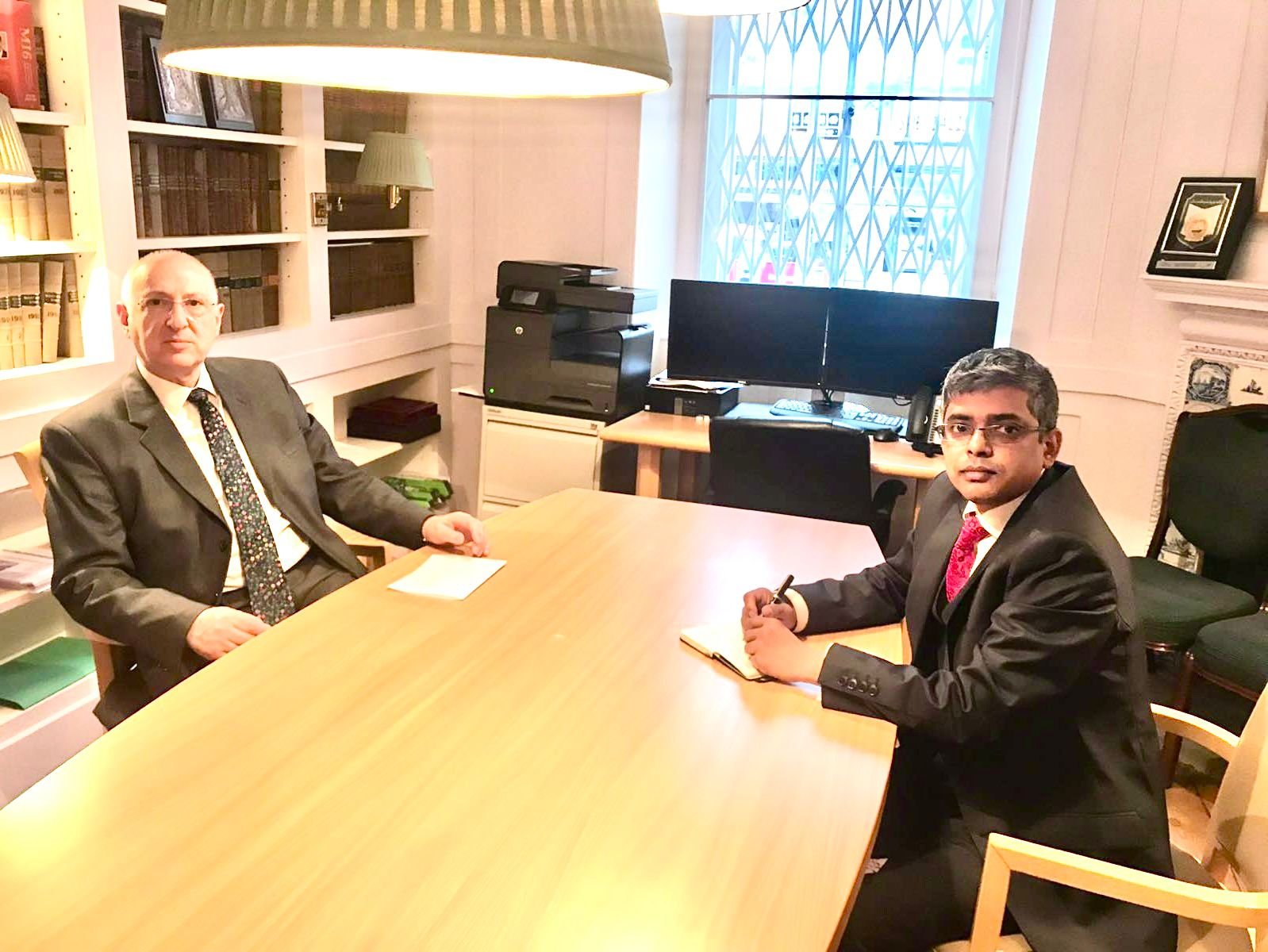
Senior British lawmaker Lord Alex Carlile has issued a stark warning about Bangladesh’s political and judicial direction, calling for urgent restoration of the rule of law, free and fair elections, and political plurality, during an exclusive interview with Politika News at the House of Lords.
Speaking on the sidelines of a parliamentary seminar on Bangladesh, Lord Carlile said the discussion was essential for British parliamentarians, many of whom maintain long-standing support for Bangladesh and its democratic aspirations.
“I think it’s very important for British parliamentarians to discuss what is going on in Bangladesh. Many of us here feel a great deal of support for Bangladesh and particularly for the notion of free and fair elections and Bangladesh making its way back into the friendliness of nations — the community of nations, as we call it.”
However, he stressed that reintegration into the international community must be achieved through lawful means.
“It has to be done properly, and we’re very concerned about the nature of the trials that are taking place at the moment, and about the facilities being given to defendants in these trials. However guilty some of them may be, they’re entitled to fair trials.”
Lord Carlile expressed hope that Bangladesh would embark on a process of reconciliation and truth, allowing all legitimate political parties to participate in elections.
“We hope that a process will be started which is one of reconciliation and truth, and that when the elections take place, all proper political parties can participate, and the world at large will look upon Bangladesh as a nation that is welcomed back into the family of nations — which it is not at the moment. At the moment, it’s regarded as an outlier.”
Responding to a question about reports that Sheikh Hasina had been given a death sentence by Bangladesh’s International Crimes Tribunal, Lord Carlile was unequivocal in his legal assessment.
“Well, I’m a lawyer, right? I’m a British King’s Counsel, and my reaction is that the process of the trial was not a proper, fair trial. She was not entitled to choose her own counsel.”
He cited a recent incident in the same court as deeply troubling.
“Indeed, in another case yesterday in the same court, there was a shocking exchange between prosecuting and defence counsel in which prosecuting counsel, according to reports — if they’re correct — threatened defence counsel that she might be put on trial. That is not compliant with the rule of law.”
Lord Carlile said Britain’s own parliamentary system, grounded in legal safeguards, has a responsibility to support Bangladesh’s return to democratic norms.
“So we are here in the UK Parliament — a Parliament that’s subject to the rule of law — to help Bangladesh return to the rule of law, have free and fair elections, and plurality of political parties in the future, so we don’t swing from one dynasty to the other every few years.”
Asked whether elections under the interim government could be genuinely free and fair, he said interim leader Muhammad Yunus appears committed to that goal, though obstacles remain.
“At the moment, I believe that Muhammad Yunus, the interim leader, wishes to have free and fair elections. I’m not sure that everyone in the interim administration agrees with him, and I hope that he will have his way, and that we will see free and fair elections. Otherwise, we’ll be back where we are in three or four years’ time.”
He called for a national reset.
“This should now be a resettlement, a calming down, and reconciliation, so that those who are fit to stand for election — and there will be some who will have to be disqualified — those who are fit to stand for election are enabled to do so, whichever political parties they come from.”
On whether elections should proceed under the caretaker administration, Lord Carlile said conditional support was essential.
“I think the election should be under the caretaker government, but they have to give guarantees of freedom and fairness, and I think there should be international observers to ensure that freedom and fairness. Otherwise, it will not be credible.”
Addressing the role of student protesters who helped bring down the Awami League government, he said they had achieved their core objective.
“Student protesters achieved what I thought they wanted to do, which is to bring an end to the Awami League government, which in my view committed many gross errors and worse — but to have free and fair elections.”
He added that political exclusion would undermine that achievement.
“Now, if the Awami League is still a political party and has people who have not been involved in killings and violence, who wish to stand as Awami League candidates in an election, then the circumstances should be created in which they can do so.”
Lord Carlile said he would prefer a delay in elections if it allowed time for reconciliation.
“I would be much happier if the election was delayed somewhat longer so that there could be a truth and reconciliation commission set up to sort out who can stand in the elections, and then they will be free and fair, with foreign observers involved.”
On proposals to hold elections alongside a referendum, he expressed concern that the current process is failing.
“I think that there should be a reset of the situation now because it’s not working. The interim leader Muhammad Yunus wishes to have free and fair elections, but he’s being prevented from doing so.”
He concluded by urging student leaders to reconsider their role.
“The students and their leaders now step back from claiming political leadership, unless they’re prepared to resume full democracy.”
Source:
Exclusive interview with Lord Alex Carlile
Member of the House of Lords, United Kingdom
House of Lords, London | 25 November 2025
Trending issues
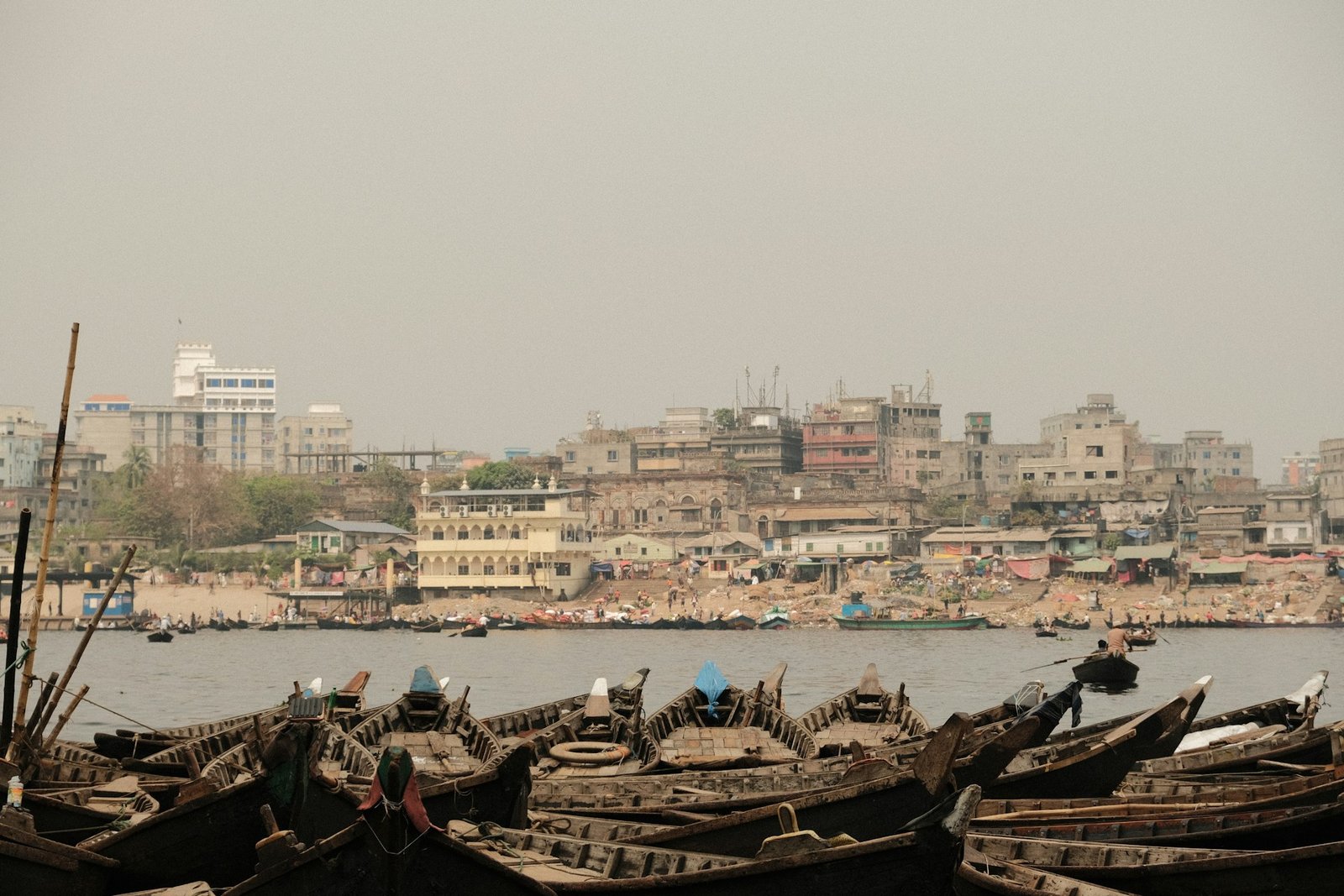
Examines economic growth, climate resilience, labour markets, and regional diplo...
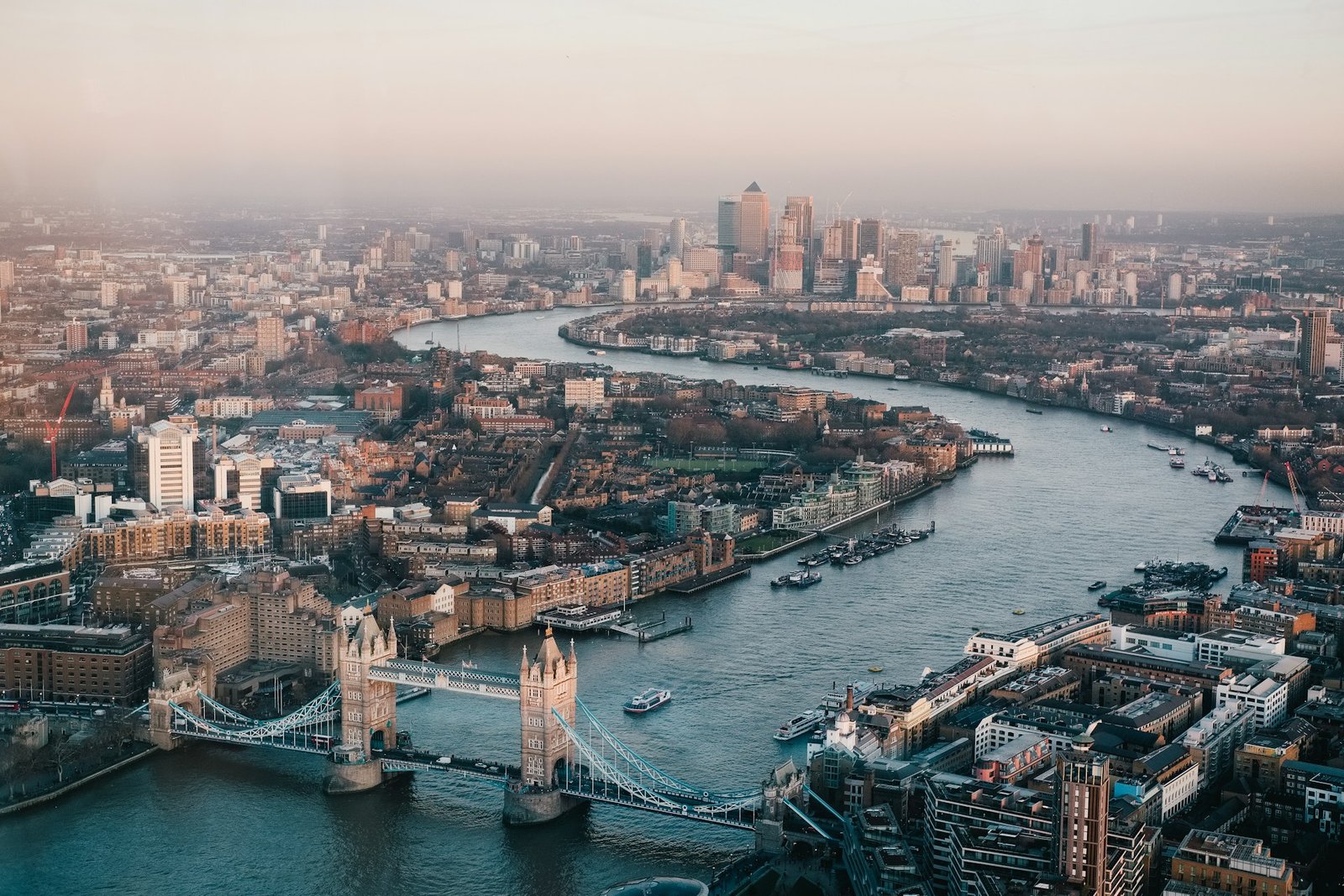

Research on India examines its role as a major regional and global power, shaped...
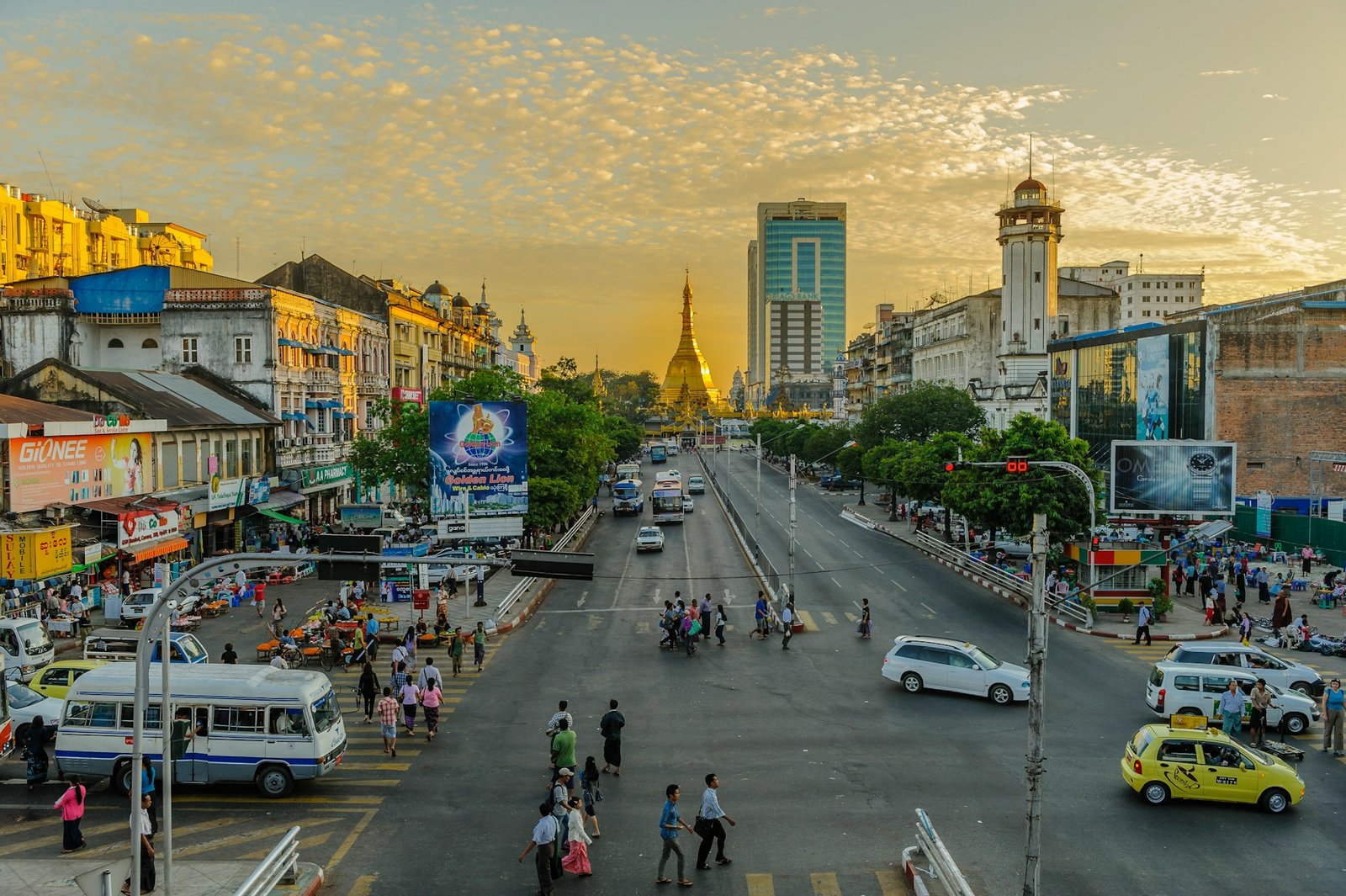
Research on Myanmar examines political instability, military governance, humanit...
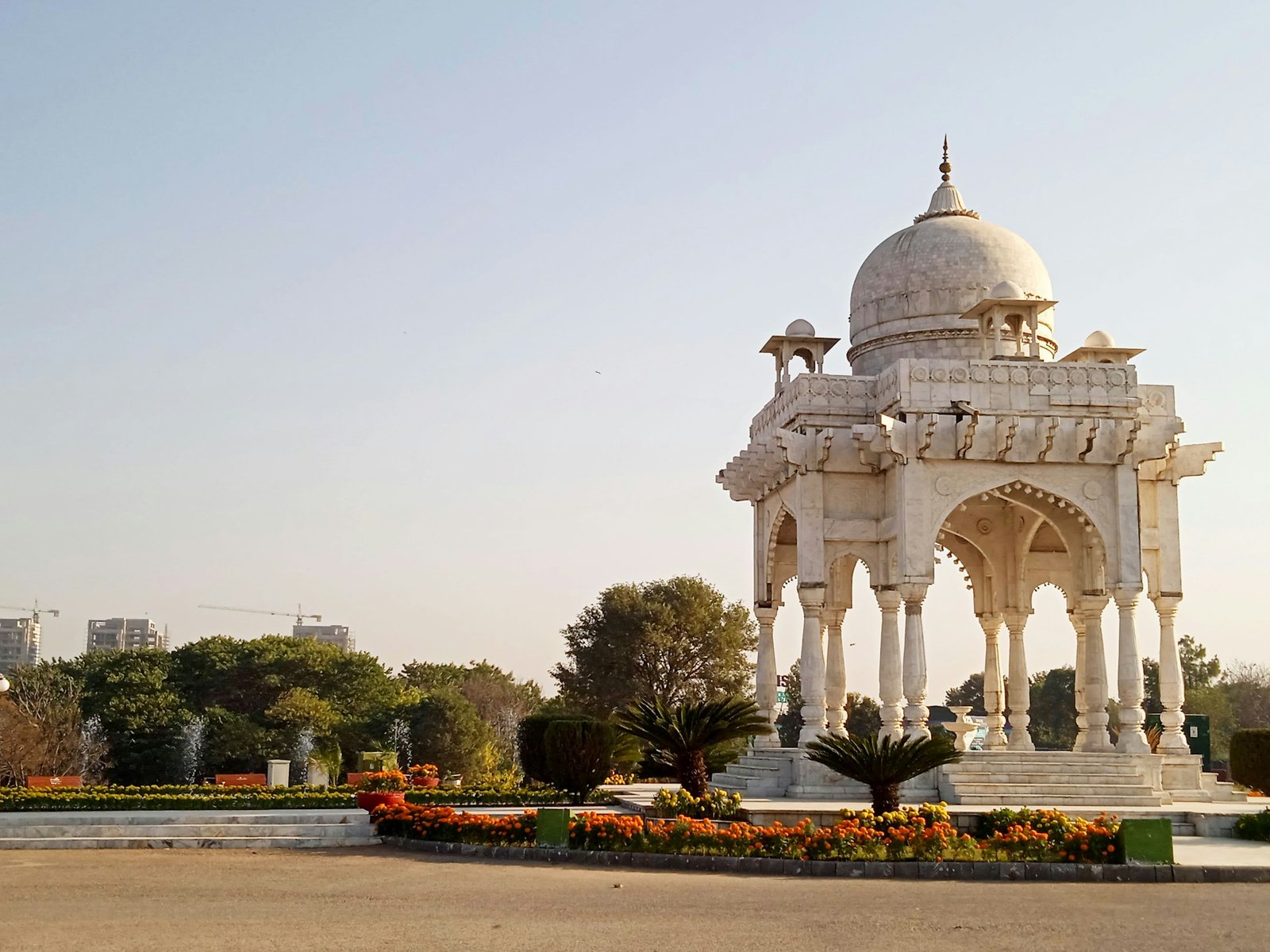
Analysis of Pakistan focuses on political governance, civil–military relations, ...
Uncovering the stories that shape our global future
Stay informed with in-depth analysis, breaking world news, and expert perspectives on the geopolitical shifts defining today's international landscape.

No Research Papers Added Yet
Bridging the gap between policy and practice
Discover how our independent research and strategic dialogue are driving sustainable solutions for the most complex geopolitical challenges of our time.
